
— THE PLATFORM

An ecosystem built to solve what fragmented factories cannot.

Smart Cluster replaces isolated, high-CAPEX factory models with a shared platform that delivers infrastructure, utilities, sustainability, and manufacturing excellence at scale from day one.

The 75/25 model: one zone, one integrated platform.

— CLUSTER ARCHITECTURE

The land allocation reflects the economic model. 75% is revenue-generating manufacturing. 25% is the shared infrastructure that makes every unit within it more competitive than it could ever be alone.
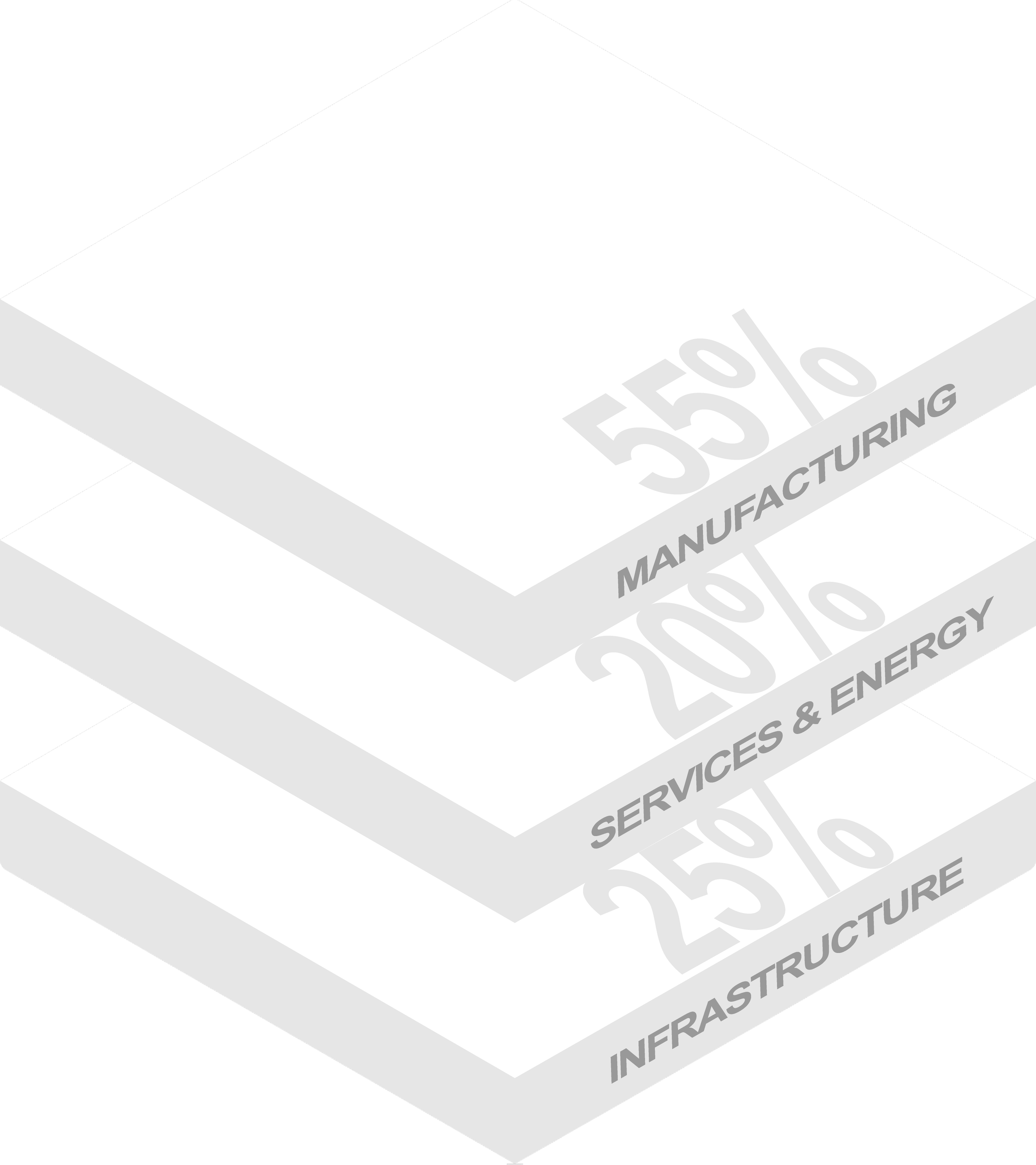
Value Creation Layer

  • 14 MSEs / LSEs (12 Factories, 2 Fabric Mills)

  • ~USD 300M per unit (4–5 yrs)

  • $3 – 4 Billion turnover.


Operational Enablement Layer

  • Centralized energy

  • Shared services

  • Welfare & workforce support

  • Renting Machinery & Equipment.


Infrastructure Enablement Layer

  • Logistics & warehousing

  • Water, fabric & waste circular recycling.

  • Centralized energy, gas, water, chiller, and boilers

  • Common services (medical, security, insurance)

— VALUE CREATION STRUCTURE

$300M

Per unit turnover (4–5 yr)

$5.5B

Cluster exports by 2033

Smart Cluster alone accounts for approximately 20% of Jordan's national apparel exports within four years of operation, matching the scale of the entire existing sector in less than one full business cycle.

Open-Source Manufacturing Excellence.

— CORE INNOVATION

A genuinely rare concept in global manufacturing. Smart Cluster open-sources Manufacturing Excellence to all tenants, automation-led deskilling, time & motion optimization, and data-driven production systems shared across the entire ecosystem. What was once proprietary knowledge locked inside large incumbents becomes shared infrastructure available to every operator from day one.

01
Automation-Led Deskilling
02
Time & Motion Optimization
03
Data-Driven Decision Systems
01 Capability
Automation-Led Deskilling
Eliminates the traditional learning curve. SMEs operate at LSE-level efficiency from day one. Productivity without years of institutional knowledge-building.
02 Capability
Time & Motion Optimization
Process modernization across all tenants. Shared learnings compound into cluster-wide efficiency gains, accessible to every operator.
03 Capability
Data-Driven Decision Systems
Predictive analytics and real-time production data. Lower operational risk. Higher productivity per square metre of floor space.
— Outcomes across the cluster
FASTER
Learning curves compressed to months.
HIGHER
Productivity from day one
LOWER
Operational risk per tenant
SME → LSE
Scalability pathway enabled
This directly addresses the "Fear of Failure" investor concern, the inability to source, manage, and up-skill foreign labor to reach required productivity. The answer is systemic: a cluster-wide solution that works for every tenant simultaneously.

Six systems that eliminate the barriers to entry.

— CLUSTER SERVICES

Every service in the cluster removes a specific barrier or eliminates a specific cost. That is the distinction between Smart Cluster and a conventional industrial zone.

01
Water & Waste
02
Compliance
03
Workforce
04
Welfare Infrastructure
05
Energy
06
Logistics
01 Water & Waste
Circular Systems (ZLD)
97% water recycling through centralized STP/ETP. Zero Liquid Discharge 'ZLD' standard across all facilities. Circular fabric recycling, chemical and mechanical, processing 42 tonnes of waste fabric per day. Saves ~$15M in sewage treatment capital expenditure per tenant.
02 Compliance
Systemic Audit Readiness
Better Work accreditation support. Cluster-wide compliance infrastructure, shared across every tenant. Global brands can onboard suppliers with confidence, dramatically reducing audit time and risk exposure. ESG compliance included in every tenancy at no additional cost.
03 Workforce
Human Capital Pipeline
Vocational training centers → Technical Fashion University. Continuous upskilling. Welfare infrastructure including free transport, childcare, medical coverage, subsidized essentials, and family employment pathways. Higher retention, higher efficiency, long-term stability.
04 Welfare Infrastructure
Labour as an Asset
Centralized accommodation, supermarket, food services, childcare, healthcare, and wellness. Centralized insurance and ticketing for expat workforce. Smart Cluster handles sourcing, management, and training, addressing "Fear of Failure" directly.
05 Energy
Centralized Energy Systems
Solar generation with storage backup. Centralized boilers, chillers (VAM), and compressed air systems. 25% electricity saving and 34% natural gas saving passed directly to tenants via bulk procurement. No individual infrastructure investment required.
06 Logistics
Centralized Logistics & Warehousing
Centralized drayage, loading and unloading infrastructure, and storage. Lead time compression from 135 days to approximately 35 days. 18–21 days shipping to the USA, enabling up to 15 replenishment cycles per season versus 4–5 from the Far East.

— IMPLEMENTATION

Three phases. Three years. Full operational scale.

Phase 1
Pilot & Foundation
End of Year 1
4
Factories
+ 1 Fabric Mill
  • Energy, STP, pneumatics, solar
  • Logistics infrastructure
  • Workforce accommodation + welfare
  • Vocational training facilities
  • Open-Source ME systems live
  • Interim incubator manufacturing begins
  • ~10,000m² interim space available
Phase 2
Expansion & Institutional
End of Year 2
8
Factories
+ 2 Fabric Mills
  • All Phase 1 infrastructure scaled
  • Fashion University introduced
  • Advanced skills programs begin
  • Full proportional infrastructure scaling
Phase 3
Full Maturity
End of Year 3
12
Factories
+ 2 Fabric Mills
  • Circular fabric + water recycling
  • Machine & equipment leasing
  • Full effluent treatment
  • Complete circular economy
  • National industrial execution platform
Each phase activates at defined capacity thresholds. Full operational scale is structurally achieved within 34–36 months, a fraction of the decade typically required to stabilize a traditional industrial model.

What typically takes a decade to stabilize is structurally achieved within 34–36 months. Each phase activates at defined capacity thresholds.

40,000 jobs. A new industrial generation.

— EMPLOYMENT IMPACT

Direct employment created

40K

12K

Jobs for Jordanian nationals

Indirect employment impact

120K

3 yrs

To full operational scale